Our Blog

Thanksgiving Trivia

November 21st, 2018
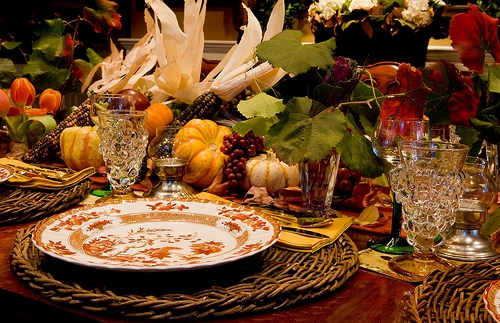
At Hoybjerg Orthodontics we love learning trivia and interesting facts about Thanksgiving! This year, Dr. Adam Hoybjerg wanted to share some trivia that might help you feel a bit smarter at the holiday dinner table and help create some great conversation with friends and family.

The Turkey

There is no historical evidence that turkey was eaten at the first Thanksgiving dinner. It was a three-day party shared by the Wamponoag Indians and the pilgrims in 1621. Historians say they likely ate venison and seafood.

According to National Geographic, the dinner at the Plymouth colony was in October and included about 50 English colonists and 90 American Indian men. The first Thanksgiving dinner could have included corn, geese, and pumpkin.

Today, turkey is the meat of choice. According to the National Turkey Association, about 690 million pounds of turkey are consumed during Thanksgiving, or about 46 million turkeys.

The Side Dishes

The green bean casserole became popular about 50 years ago. Created by the Campbell Soup Company, it remains a popular side dish. According to Campbell’s, it was developed when the company was creating an annual holiday cookbook. The company now sells about $20 million worth of cream of mushroom soup each year, which is a major part of the recipe.

While there were likely plenty of cranberries for the pilgrims and Indians to enjoy, sugar was a luxury. What we know today as cranberry sauce was not around in those early Thanksgiving days. About 750 million pounds of cranberries are produced each year in the US, with about 30 percent consumed on Thanksgiving.

The Parade

Since Thanksgiving did not become a national holiday until Lincoln declared it in 1863, the annual parades were not yearly events until much later. The biggest parade that continues to draw crowds is the Macy's Thanksgiving Day Parade. Beginning in 1924 with about 400 employees, they marched from Convent Avenue to 145th Street in New York City. Famous for the huge hot-air balloons today, it was actually live animals borrowed from the Central Park Zoo that were the stars of the show then.

However you choose to spend your Thanksgiving holiday, we wish you a safe, happy and healthy holiday with those you love.

What causes crooked teeth?

November 14th, 2018

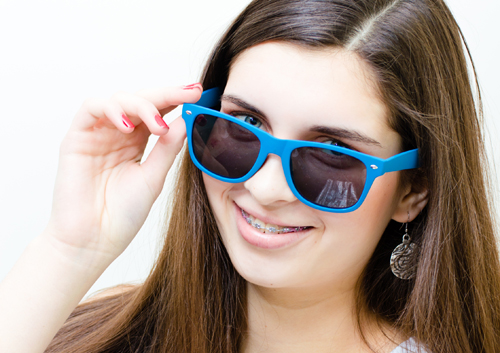
Teeth erupt crookedly for a number of reasons that range from genetics to mouth deformities and serious oral diseases. When extra teeth or abnormally large teeth create a malocclusion (crookedness or misplacement of teeth), the culprit is usually genetic in nature. Other inherited traits involve jaws that are too small to accommodate a full set of teeth and misaligned jaws that did not form properly in the womb.

Can crooked teeth be prevented?

In most cases, underbites, overbites, and crooked teeth are genetically derived and can’t be avoided. Orthodontic treatment with braces will be necessary to correct the condition once the child is old enough to wear them. However, certain early childhood behaviors may also contribute to the development of crooked teeth that can be avoided. These include:

  • Thumb sucking and tongue thrusting
  • Losing baby teeth to decay before permanent teeth have naturally pushed them out of their sockets
  • Allowing pacifier use to continue after front teeth have erupted

Permanent teeth underneath baby teeth are directly affected by the health of baby teeth. If baby teeth are prematurely lost due to decay or trauma, permanent teeth will shift when they start moving upward. Baby teeth are like anchors for permanent teeth that help guide them as they erupt through the gums.

In addition, excellent care of baby teeth is vital to having healthy permanent teeth free of discoloration or decay. Harmful oral bacteria can spread into the gums and reach permanent teeth still buried in the gums. Once attached to a tooth’s enamel, bacteria will begin eroding the tooth even before it has a chance to take its first bite!

When to Start Orthodontic Treatment for Crooked Teeth

Dr. Adam Hoybjerg and our staff suggest that parents bring your child to Hoybjerg Orthodontics around age seven to rule out potential issues with permanent teeth eruption. If problems are discovered, it is not unusual to begin orthodontic treatment at that age. In fact, specific conditions such as crowding and gaps between teeth are easier to correct at an early age.

Early treatment also benefits from the growth process of the jaw, which helps move teeth to normal positions.

What is dentofacial orthopedics?

November 7th, 2018

You may have noticed that we specialize in orthodontics and dentofacial orthopedics. And while most people we talk to have heard of orthodontics, many are confused by the dentofacial orthopedics part of the title. Today, Dr. Adam Hoybjerg and our team thought we would explain the difference.

While orthodontics entails the management of tooth movement, dentofacial orthopedics involves the guidance of facial growth and facial development, which occurs for the most part during childhood, and is a reason why kids are often the best candidates for receiving dentofacial orthopedic therapy. Dr. Adam Hoybjerg will examine and monitor your child’s growth to determine when starting treatment will be most effective. If your child begins orthodontic treatment before his or her adult teeth have erupted, it is known as Phase-One treatment. During this phase, Dr. Adam Hoybjerg will use treatments designed to correct your child’s jaw growth and make sure that the jaw bone is properly aligned before beginning the next phase of treatment, which usually involves placing braces to straighten your child's teeth.

Dentofacial orthopedics is also used to treat adult patients at Hoybjerg Orthodontics, however, this process may involve surgery. With our younger patients, we know the jaw bones are still forming, making it easier for our team at Hoybjerg Orthodontics to control bone growth and tooth movement. Adults, however, are a different story; their bones are no longer growing, and their jaw bones have hardened, so it is more difficult to adjust the bite and move teeth into proper alignment. Dr. Adam Hoybjerg may recommend surgery to adjust the jaw bone and establish the proper bite alignment before beginning treatment.

Because our team at Hoybjerg Orthodontics is skilled in both areas, we are able to diagnose any misalignments in the teeth and jaw as well as the facial structure, and can devise a treatment plan that integrates both orthodontic and dentofacial orthopedic treatments.

We hope that helps! To learn more about dentofacial orthopedics, and to find out if this type of treatment is right for you, please contact our Yuba City office and schedule an initial consultation for you or your child. It’s never too late to get a great smile, and we can’t wait to help you or your child get started.

Halloween Fun with Braces

October 31st, 2018

Halloween is a favorite holiday among children due to the festive games, imaginative costumes, and candy. Modern celebrations stem from a combination of traditions from Pagan and Christian traditions throughout the centuries. The original holiday was called Samhain and derived from the ancient Druids of Ireland. In their belief system, November 1st marked the beginning of winter, and Pagans began their Samhain celebrations at sunset on October 31st.

Modern Celebrations of Halloween

Children and adults love dressing up for Halloween, and this tradition comes from the ancient belief in spirits. From sunset on October 31st until sunrise on November 1st, the souls of the dead entered the physical world. Some spirits were benevolent and wanted only to cross over to the afterlife while others harbored malicious intents of revenge and trickery. Pagans wore masks and disguised themselves so that the malevolent souls would mistake them as fellow spirits.

Families left food and ale outside of their doors to appease the spirits. With the rise of Christianity in Europe, the church encouraged its members to offer food and money to beggars. In exchange, the beggars would agree to pray for the family's deceased loved ones. Eventually these traditions led to the development of today's customs where children dressed up and received candy from their neighbors while circling the community.

Teeth-Friendly Treats

With all of the excitement and free candy on Halloween, it is easy to get carried away on a sugar high. Parents warn their children not to eat too many pieces in one night to avoid tummy aches and cavities. Our team at Hoybjerg Orthodontics especially wants to remind children with braces to be extra cautious about the treats they eat because some varieties can get stuck in between the brackets and damage the devices. Sticky candy, such as caramels, fruit chews, and gum should be avoided when wearing braces. Children can trade with their friends and siblings to get only safe candies. The following list offers some alternative treats that children with braces can safely enjoy.

  • Solid chocolate, including milk, white, or dark
  • Nougat-filled candy bars, such as Three Musketeers
  • Candy-coated chocolates like M&Ms
  • Powdery candy, such as Sweet Tarts or Pixie Stix
  • Mint-flavored candy
  • Malted milk balls
  • Cookies
  • Peanut butter crackers or cookies

When in doubt, children should ask their parents or Dr. Adam Hoybjerg if a specific candy is safe. Halloween is a fun holiday for children, and having braces does not have to take away any of the excitement from tasty treats.

50

Advanced Degrees

50

Locations

50

Name on the door