Our Blog

How Your Pearly Whites Can Help You in Life

July 17th, 2019

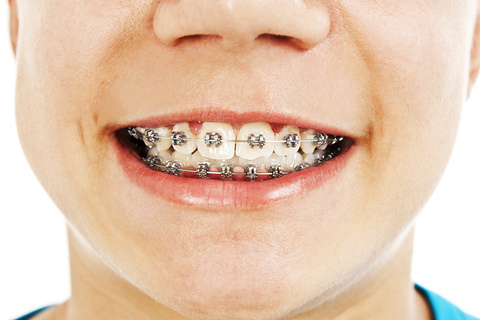
At Hoybjerg Orthodontics, Dr. Adam Hoybjerg and our staff have found that patients who like their smiles have better self-esteem. People who don’t like their smiles are often skittish about talking to other people. According to the National Women’s Health Resource Center, when women are asked about what they’d most like to change about themselves, many point to their smile. Despite wanting to change their smiles, quite a few of the people who are unhappy about that part of themselves won’t consider getting braces.

Most Americans Don’t Have Straight Teeth

The American Association of Orthodontics estimates that 4.5 million Americans wear braces or other orthodontic equipment to straighten their teeth and to get a healthier mouth. One in five of those braces wearers are women. The organization’s statistics also show that about 75 percent of the population doesn’t have straight teeth, and those people would benefit from getting braces.

While the main benefit of braces is straight teeth, and to improve the look of your smile, there are other benefits that make braces even more useful, including:

  • Straighter teeth help people chew better.
  • Straighter teeth give people a proper bite.
  • People speak better when they have straighter teeth.
  • When people have straight teeth, they have better overall gum and mouth health. A healthier mouth means flossing and brushing are easier, and that means your entire mouth stays healthy.
  • A healthy mouth is also linked to a healthy body.

When you feel proud of those pearly whites, you feel better about your smile, and that contributes to a better self-image and improved self-esteem. Ultimately, that can lead to greater career success and a more fulfilling social life.

Early Orthodontics

July 10th, 2019

Perhaps you are already planning for the years when your teenager will need orthodontic work. But hearing that your seven-year-old would benefit from orthodontic treatment? That might come as a complete surprise! It’s a recommendation with real benefits, though—early intervention can save children from tooth and bite problems now, and even simplify their future orthodontic care.

Treating young children for orthodontic problems is called “interceptive orthodontics.” When the permanent teeth start arriving, there might be problems with spacing, bite or protruding teeth. Often, treatment while the bones are still growing is the best way to prevent more serious problems later.

We recommend that your child have an orthodontic consultation with Dr. Adam Hoybjerg around the age of seven. This exam is especially important for children who may have been thumb suckers or used a pacifier after the age of three, or if you notice obvious teeth, speech or bite issues.

  • Crowding and Spacing Issues

Teeth are arranged in two crescent shapes called arches. When the arch of your child’s mouth is small, the permanent teeth can become very crowded as they erupt. Formerly, teeth were removed to make more room. Now, early use of a palatal expander can enlarge the upper dental arch in order to help the permanent teeth come in without crowding. The need for future tooth extraction is reduced, and there is a better chance for correct spacing and alignment with early treatment.

On the other hand, when a child loses a tooth too soon, too much space left between baby teeth can also be a problem. The remaining teeth can shift, leaving the wrong place open for the adult tooth to come in. We might recommend a space maintainer so that there is no shifting of the teeth and there is room for the proper adult tooth to erupt in its proper spot.

  • Malocclusions (Bite Problems)

Some malocclusions, like a crossbite, can be caused by problems with jaw and facial structure. Again, we might recommend a palatal expander to help the upper arch of the teeth to fit properly with the lower jaw. Problems with overbite, open bite and other bite issues can also be addressed at this age if necessary. Early care can discourage TMJ (temporomandibular joint) disorders, reduce speech problems, and improve facial symmetry. 

  • Protruding Front Teeth

Teeth that protrude are much more likely to be damaged when playing or after a fall. Methods such as braces or appliances can reposition them and protect them from breaking or fracturing.

Many children will not need early intervention, and many can wait until they are older for orthodontic work. But if your young child has orthodontic problems that should be addressed, early intervention can do more than set the stage for successful orthodontics in the teen years. Talk to our Yuba City team about what we can do for your child. Interceptive orthodontics can protect teeth, guide jaw and speech development, modify harmful oral habits and help to adjust bite problems before they become serious—when it comes to your child’s dental health, the best solutions are early ones!

Fun Facts for the Fourth

July 3rd, 2019

The Fourth of July is a great time to get together with friends and family members for BBQ, games, fireworks, and other celebrations in honor of our country’s independence. While your fellow revelers eat hot dogs and wave flags, you can impress them by sharing these fascinating facts and historical tidbits about some of our country’s traditions and symbols from the team at Hoybjerg Orthodontics.

The Statue of Liberty

With a torch in one hand and a tablet in the other, the Statue of Liberty is one of the most iconic and recognizable symbols of our country. However, as recognizable as certain parts of the statue are, not many people know that broken shackles, which represent oppression and tyranny, are lying at Lady Liberty’s feet. According to the Statue of Liberty-Ellis Island Foundation, the copper-plated lady weighs in at a whopping 450,000 tons and has been holding her torch up for more than 125 years, which must make for some impressive arm muscles.

Nathan’s Hot Dog Eating Contest

Since 1916, people have been flocking to Coney Island on the Fourth of July to witness what some people call the “superbowl of competitive eating.” Nathan’s Hot Dog Eating contest challenges competitors to devour as many hot dogs as they can in just ten minutes, with the current record holder swallowing a whopping 68 hot dogs! If you’d like to witness this bizarre and frenzied eating competition but you won’t be anywhere near Coney Island on the fourth, don’t worry. ESPN has been broadcasting this popular event for several years, so you can watch from the comfort of your couch while you eat a reasonably portioned meal.

The History Behind Fireworks

Viewing the nighttime fireworks display is exciting way to finish off the fourth. Many people know that these brilliant displays probably originated with the Chinese. However, many historians also believe that fireworks were stumbled upon when the Chinese roasted bamboo sticks over fires and watched them explode. After many years of roasting the sticks, a group of alchemists created an early form of gunpowder, which they stuffed into the bamboo sticks to create an even more powerful explosion, paving the way for the today’s modern fireworks.

Whether you’re planning on visiting the Statue of Liberty, watching fireworks in Yuba City, or even participating in a hot dog eating contest, Dr. Adam Hoybjerg and our team hope you have a safe and fun-filled holiday. Happy Fourth of July!

Foods that are Safe for Braces

June 26th, 2019

Orthodontic braces are used to straighten the teeth, which not only creates a more pleasing appearance, but also helps prevent tooth decay and other oral health problems. Braces are only effective when they are properly cared for, however. Certain foods, for example, are better suited for individuals who have braces, as opposed to hard and sticky foods that can cause damage. So, what types of foods should you or your kids eat to protect dental appliances?

The best foods to eat with braces are those that are not high in sugar and do not require excessive chewing. For breakfast, try eggs, yogurt, bacon, wheat toast, or oatmeal. Lunch may steer toward a banana rather than an apple, a salad without nuts, and a glass of water. If you are looking for some after-school snacks for your kids, consider baked tortilla chips with salsa and guacamole, or try string cheese with fruit.

A healthy dinner can include most types of vegetables, so long as they are cooked to an appropriate softness. Pair that with a lean protein, such as fish or chicken, and follow up with dessert. Just be sure to brush afterward!

Post-Tightening Foods

As braces begin to adjust the alignment of the teeth, our team at Hoybjerg Orthodontics will periodically tighten them to continue the alignment process. After tightening occurs, the teeth may be sore and sensitive to certain foods. During this time, it is best to eat soft foods. Examples include:

  • Pudding
  • Mashed potatoes
  • Soup
  • Ice cream
  • Cottage cheese
  • Peas
  • Pancakes
  • Pasta

Foods to Avoid

Anyone who wears braces – whether fixed or removable – should avoid excessive snacking and should aim to eat a healthy and balanced diet. It is also important to avoid foods that could cause damage to the braces, such as:

  • Hard candies
  • Gum
  • Nuts
  • Popcorn
  • Certain raw vegetables (for example, carrots)

Considerations

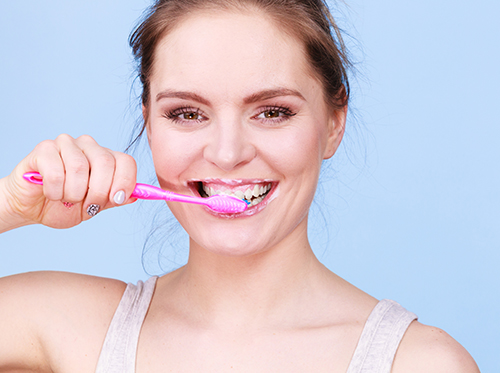
Regardless of what types of foods you eat with braces, it is important to keep the crevices between the teeth and around the braces very clean. That means brushing and flossing after meals to prevent the build-up of plaque and decay. Not only can failing to do so damage the teeth, but it can also cause discoloration.

Have more questions about orthodontic treatment? The Hoybjerg Orthodontics staff is always ready to answer all of your questions and help you get the most out of the treatment plan prescribed for you by Dr. Adam Hoybjerg!

50

Advanced Degrees

50

Locations

50

Name on the door